

Intent Implementation and Impact
Intent
At Children 1st our aim is to create a learning environment and build relationships which support, enhance and invite a child’s curiosity, confidence and individual competency to flourish regardless of backgrounds, circumstances or needs. We aim to work collaboratively with parents and carers to encourage independent, enthusiastic learners who thrive and reach their full potential. It is our intent that children who enter our EYFS begin their lifelong learning journey by developing physically, verbally, cognitively and emotionally whilst also embedding a positive attitude to school and a love of learning.
To ensure children make outstanding progress in Children 1st , it is our intent to take into consideration their starting points and needs of our pupils as they begin their learning journey. Every child has access to a broad, balanced and differentiated curriculum which prepares them for now and for the future in terms of opportunities and experiences. Following personal interests and individual needs, allows us to plan and provide opportunities throughout our EYFS curriculum to support learning and development and achieve their next steps.
Our EYFS curriculum aims to enable our children to be:
- Competent and creative learners; who are curious about the world around them.
- Secure and confident; who enjoy coming to school and learning new skills and knowledge building on their existing learning.
- Skillful communicators; who connect with others through language and play, ensuring that they play in a vocab rich environment.
Implement
At Children 1st we follow the Early Years Foundation Stage framework. This is made up of four overriding principles which our early year’s education is based upon:
- Unique Child – Every child is unique child who is constantly learning and can be resilient, capable, confident and self-assured.
- Positive Relationships – Children learn to be strong and independent through positive relationships.
- Enabling Environments – Children learn and develop well in enabling environments, in which their experiences respond to their individual needs and there is a strong partnership between practitioners and parents and carers.
- Learning and Development – Children develop and learn in different ways. The framework covers the education and care of all children in early year’s provision, including children with special educational needs and disabilities.
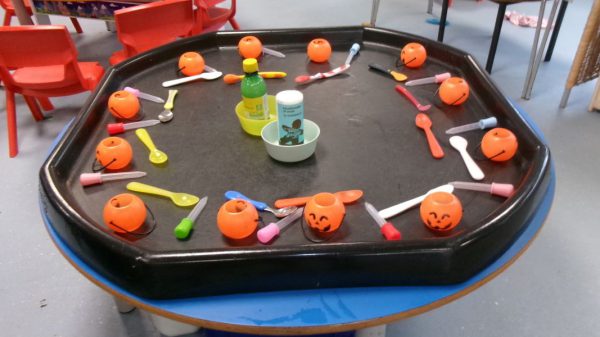
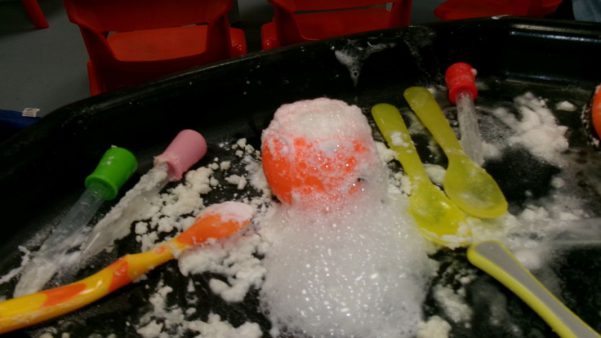
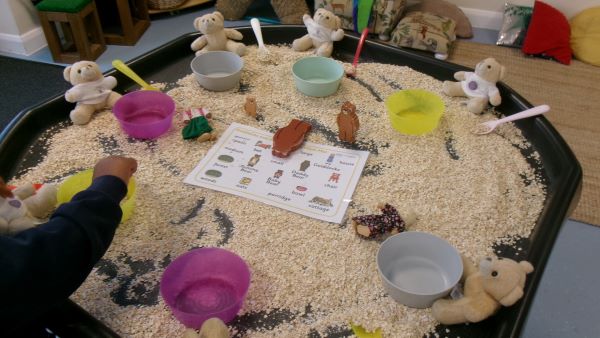
The curriculum provides a play-based and experiential learning environment, combined with focussed teaching and basic skills, to ensure children make rapid progress before moving onto Nursery and reception The children in Children 1st are provided with ample opportunities accessible in our indoor and outdoor provision. They engage in planned, focussed activities as well as self-initiated and free flow activities. The learning experiences within our Early Years are linked to the seven areas of learning and development within the EYFS. These areas are split into three prime areas and four specific areas. The three prime areas are those which the children should develop first and are considered most essential for the healthy development and future learning of our children. These include:
Personal, Social and Emotional Development
involves providing opportunities for young children to be active and interactive; and to develop their co-ordination, control, and movement. Children must also be helped to understand the importance of physical activity, and to make healthy choices in relation to food.
Communication and Language
involves giving children opportunities to experience a rich language environment; to develop their confidence and skills in expressing themselves; and to speak and listen in a range of situations.
Physical Development
involves helping children to develop a positive sense of themselves, and others; to form positive relationships and develop respect for others; to develop social skills and learn how to manage their feelings; to understand appropriate behaviour in groups; and to have confidence in their own abilities.
As children grow and make progress in the prime areas, this will help them to naturally develop skills within the four specific areas. These are:
Literacy
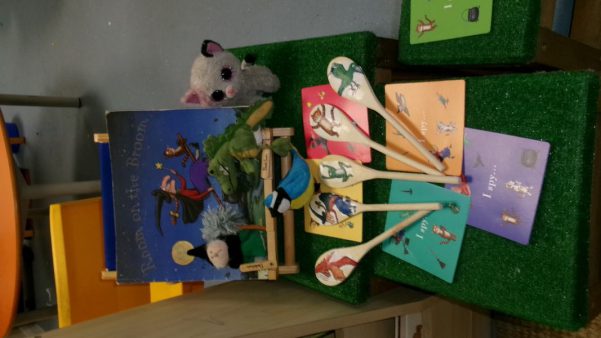
the early teaching of literacy involves encouraging children to link sounds and letters and to begin to read and write. Children are given access to a wide range of reading materials (books, poems, and other written materials) to ignite their interest.
Mathematics
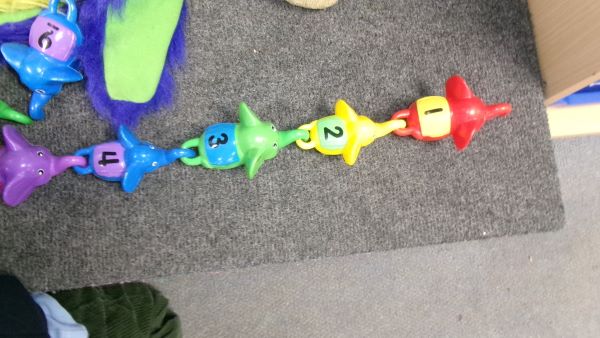
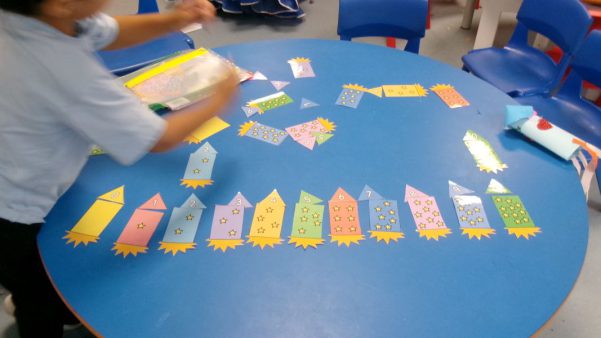
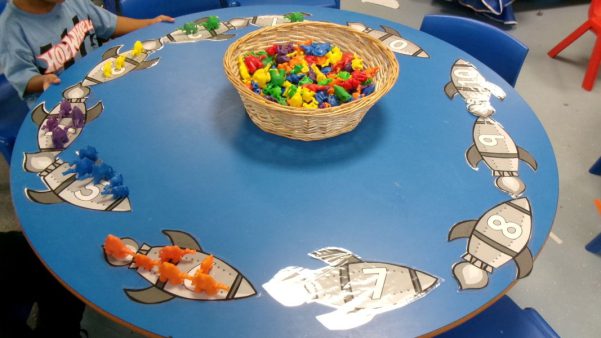
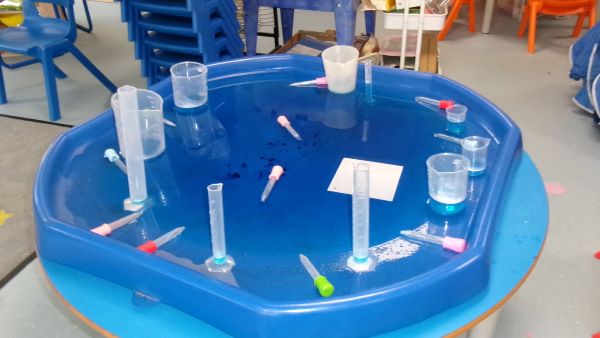
the early teaching of mathematics involves providing children with opportunities to develop and improve their skills in counting, understanding and using numbers, describing shapes, spaces, and measures.
Understanding the World
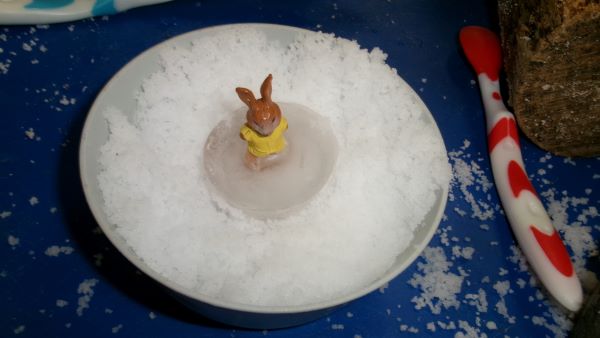
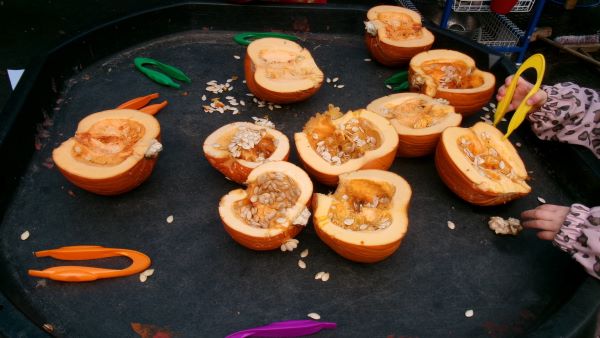
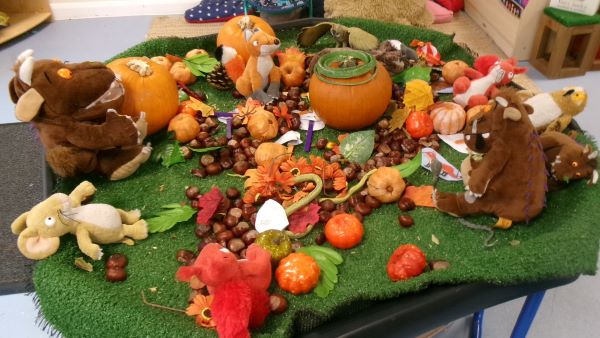
this involves guiding children to make sense of their physical world and their community through opportunities to explore, observe and find out about people, places, technology and the environment.
Expressive Arts and Design
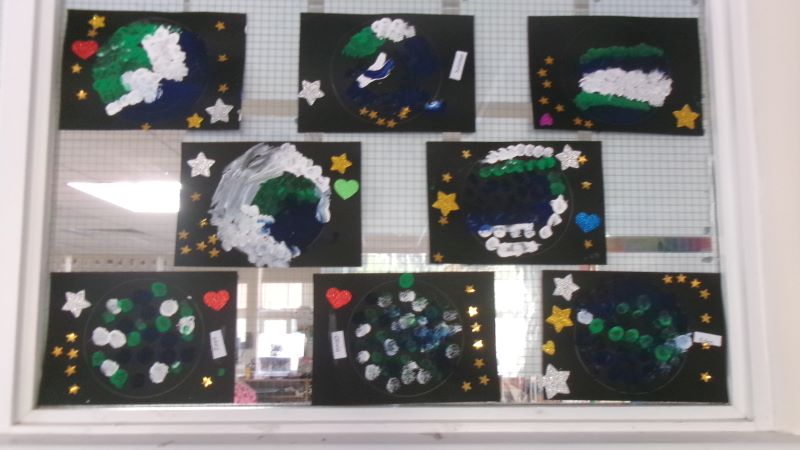
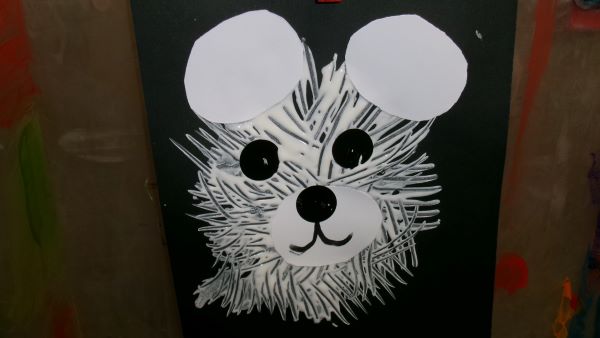
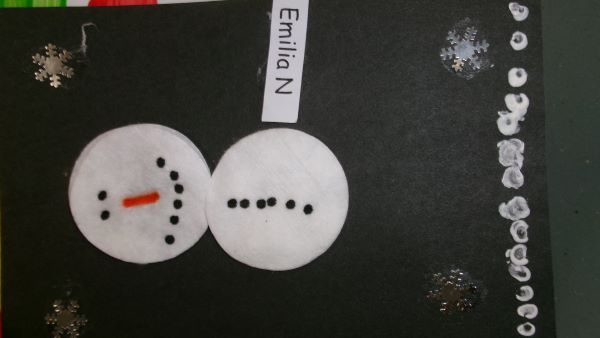
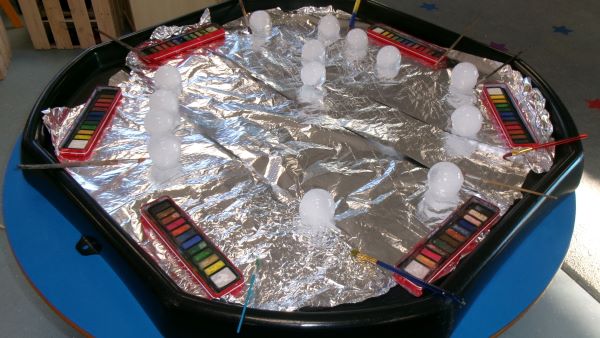
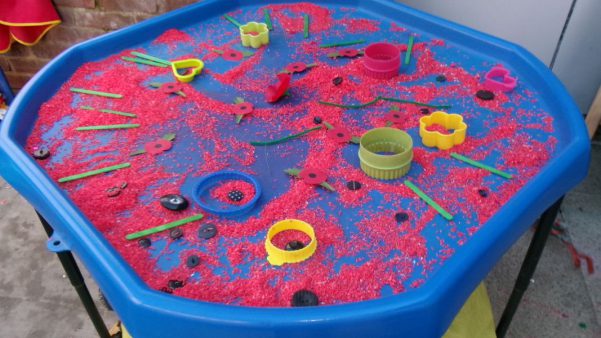
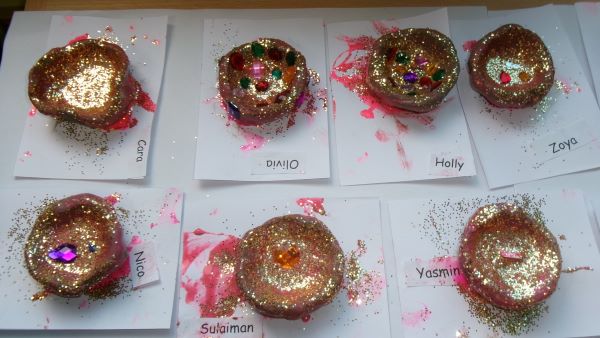
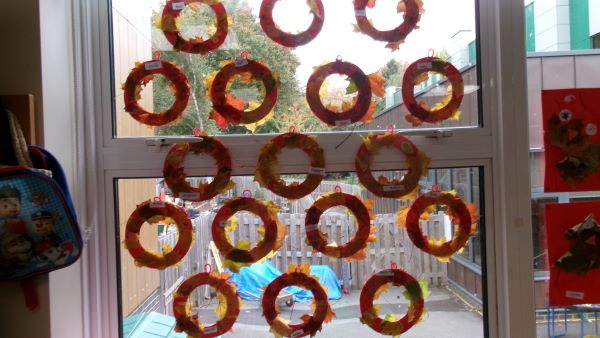
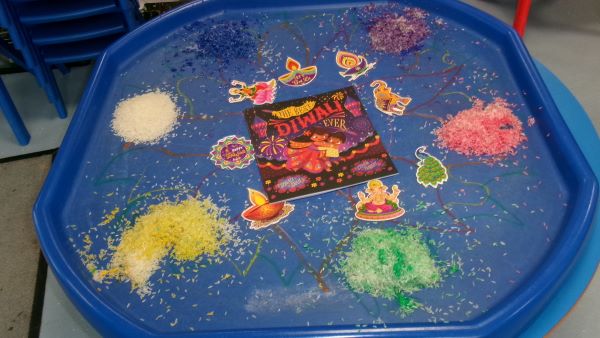
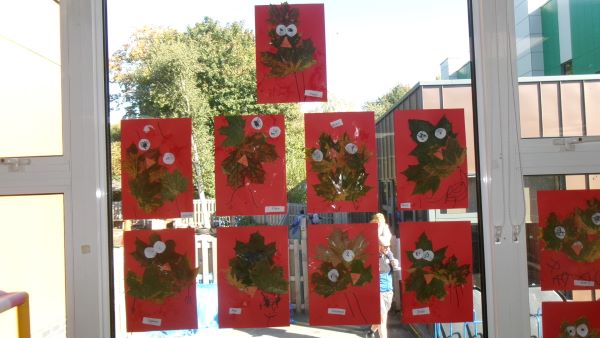
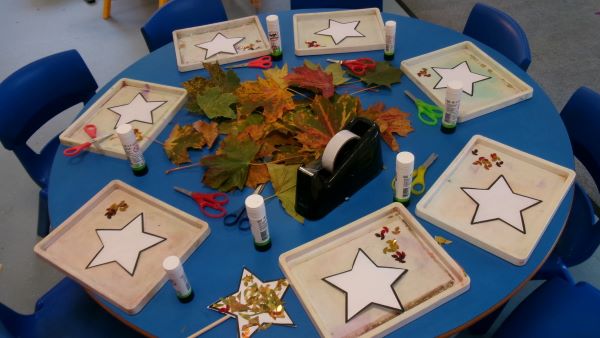
this involves enabling children to explore and play with a wide range of media and materials, as well as providing opportunities and encouragement for sharing their thoughts, ideas and feelings through a variety of activities in art, music, movement, dance, role-play, and design and technology.
Children benefit from meaningful learning across the curriculum and staff plan resourcefully for opportunities for communication, sustained shared thinking and physical challenge to build on existing skills taking into account the Characteristics of Effective Learning.
Rich first hand experiences to widen experiences, awe and wonderment. Exploratory learning and thinking creatively including problem solving across all areas of learning. New vocabulary and concepts through reading will excite and engage all learners which includes staff modelling standard English and asking high quality questions.
Curriculum will promote and support children’s emotional security and development of their character enabling children to take risks in a safe and secure environment. Supporting children to be active and to develop physically including giving clear messages to children why it is important to eat, drink and exercise as well as to be kind to others.
Impact
The experiences of the task will be revisited and demonstrated through being deeply engaged in play. Our children will grow to be confident, competent lifelong learners and good citizens.
The children at Children 1st experience a smooth transition between Preschool, Nursery, Reception and beyond. Effective communication and collaboration ensure the children leave the EYFS with a solid foundation of learning of which to build upon.
As a team, we carry out regular internal moderation sessions judgements are consistent with a range of other settings. Assessment starts with careful observations which are then used to inform planning. Learning and teaching is thus effective when children feel a sense of belonging, curiosity and competence showing resilience and tenacity.
By monitoring assessment procedures regularly, we can effectively demonstrate what learning is taking place and how each child is progressing in all seven areas of the EYFS curriculum.